


Researching a broker before you invest is one of the smartest financial decisions you can make. This Kensington Grant review is designed to give traders, beginners, and cautious investors a clear and honest picture of what this platform is — and what concerns have been raised about it by credible authorities.
What Is Kensington Grant?
Kensington Grant operates through the domain kensingtongrant.com and presents itself as an investment or trading service. However, key details about its regulatory standing, ownership, and operational transparency raise serious questions that every potential investor must consider carefully.
Is Kensington Grant Legit or a Scam?
What Do Regulators Say About Kensington Grant?
The Australian Securities and Investments Commission (ASIC) — one of the most respected financial regulators globally — has issued a warning about Kensington Grant. ASIC’s warning places the platform under scrutiny for operating without authorization in regulated markets. Additionally, the kensingtongrant.com domain has been flagged as a suspected phishing site, meaning it may be used to harvest personal and financial data from unsuspecting users.
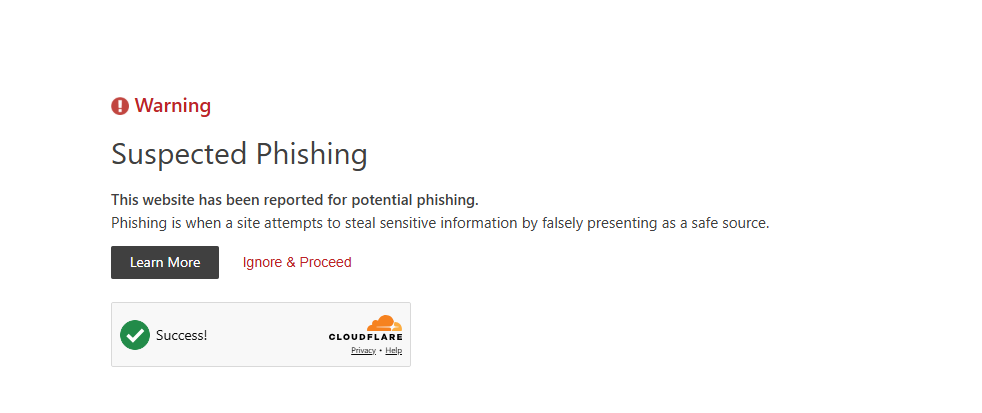
Official Warning: ASIC (Australia) has warned investors against dealing with Kensington Grant. The kensingtongrant.com domain is flagged as suspected phishing. If you have shared personal or financial information with this platform, take protective steps immediately.
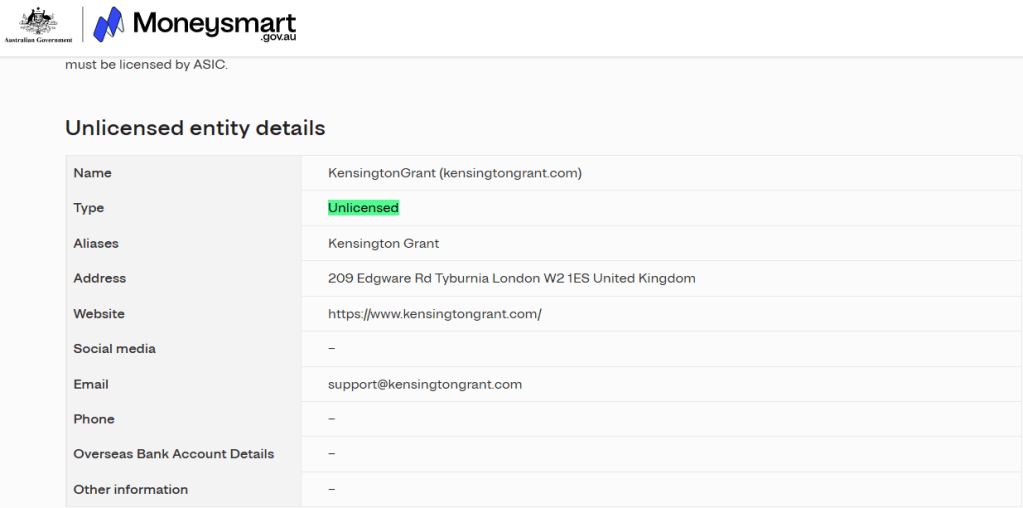
If you suspect a Kensington Grant broker is misleading you, consider reporting it to ASIC or your local financial regulatory authority without delay.
Kensington Grant Warning Signs
What Red Flags Should Investors Watch For?
- No verifiable registration with recognized regulators such as ASIC, FCA, or SEC
- Domain flagged as suspected phishing by cybersecurity and financial watchdogs
- Vague or unverifiable company information and ownership details
- High-pressure tactics urging quick deposits or limited-time investment offers
- Requests for sensitive personal data without clear security disclosures
Note: A phishing-flagged domain is a serious technical indicator, not just a regulatory opinion. It suggests the website may be engineered to collect your login credentials, banking details, or identity documents. Exercise extreme caution if you’ve already submitted any information.
Early reporting can help prevent further losses. Users can securely report suspicious Kensington Grant activity to ASIC at asic.gov.au or through their national consumer protection body.
Kensington Grant Withdrawal Issues
Are Users Struggling to Access Their Funds?
A recurring concern among users involves Kensington Grant withdrawal issues. Investors have reported being unable to access deposited funds, facing unexplained account freezes, or being asked to pay additional “fees” before withdrawals are processed. These patterns are commonly associated with unregulated platforms operating outside legitimate financial frameworks.
Steps to Take If You Face Withdrawal Problems
- Save all communications, account statements, and transaction records immediately
- Contact your bank or card provider about a potential chargeback
- File a formal complaint with ASIC or your local financial regulator
- Consult an independent financial or legal adviser for tailored guidance
If you are facing withdrawal issues with Kensington Grant, document and report the incident as early as possible — the sooner action is taken, the more options may remain available to you.

Customer Feedback for Kensington Grant
What Are Real Users Reporting?
Kensington Grant customer feedback across online forums and review platforms reflects a consistent pattern of dissatisfaction. Users have described poor communication from support teams, unexplained account changes, and difficulties obtaining straight answers about fund management. While individual experiences vary, a pattern of similar complaints across multiple users and platforms is a reliable signal worth taking seriously.
Note: If you have a firsthand experience with Kensington Grant — whether positive or negative — sharing it on verified consumer review platforms helps other investors make more informed decisions. Your account could prevent someone else from suffering a similar outcome.
What to Do If You Have Been Affected?
If you have already deposited funds with Kensington Grant or a similar unregulated platform, stay calm—but act immediately. Taking the right steps early can make a significant difference:
- Stop all further payments. Do not send more money, even if you are promised refunds or recovery of previous losses.
- Gather evidence. Save screenshots of transactions, emails, chats, account details, and any communication with the broker.
- Notify your bank or card provider. If you used a credit or debit card, request a chargeback without delay.
- Report the incident. File a complaint with your country’s financial regulator and, if applicable, your local cybercrime authority.
- Seek expert support. Trusted organizations like Ultradynamiccorp can help review your case and provide free consultation to you on possible recovery options.
How to Protect Yourself Going Forward?
- Always verify a broker’s license directly on the official regulator’s website.
- Check independent reviews—don’t rely only on testimonials shown by the broker.
- Never share sensitive information like banking details, passwords, or ID documents with unverified platforms.
- Be cautious of “too good to be true” offers—they often are.
Kensington Grant Review: Final Verdict
Kensington Grant exhibits several warning signs commonly associated with unregulated and potentially fraudulent brokers. Until there is clear proof of proper licensing and transparent operations, investors are strongly advised to steer clear of this platform.
Scams thrive when victims stay silent. If you believe you’ve encountered a suspicious broker, a misleading investment scheme, or are facing withdrawal issues, consider reporting it to Ultra Dynamic Corp. Sharing your experience can help protect others and may initiate the right action toward resolution.
Other warned brokers to watch out are-
SPOT +15 DANREX (warned by Spain – Comisión Nacional del Mercado de Valores)
WORLD WIDE TRADELINK (warned by Spain – Comisión Nacional del Mercado de Valores)
Imperium Investments (warned by The Netherlands – The Dutch Authority for the Financial Markets)
NEXAMARKETS (warned by Spain – Comisión Nacional del Mercado de Valores)
CAPITUREX (warned by Spain – Comisión Nacional del Mercado de Valores)
For more updates, follow us on:


Leave a Reply